ACbuy Spreadsheet

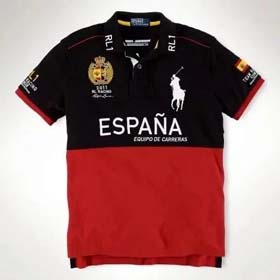
Managing T-shirt orders for a brand like Litbuy requires precision and organization. Whether you handle casual basics or bold graphic designs, a well-structured spreadsheet is essential. It transforms raw data into actionable insights, ensuring every T-shirt meets high standards of comfort, durability, and style. This guide outlines how to build a focused Litbuy spreadsheet that tracks every detail—from fabric to customer feedback—streamlining your workflow and safeguarding quality.
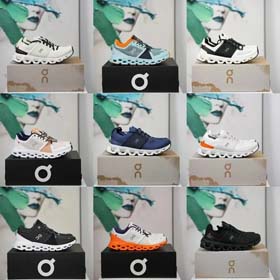
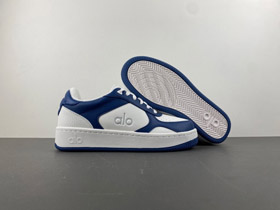
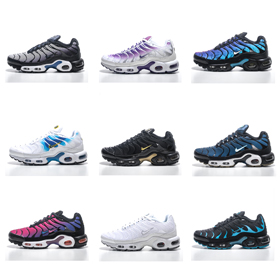
Your Litbuy spreadsheet should function as a central hub. Begin by logging product identifiers like style codes and names. Then, record fabric composition, noting percentages of cotton, polyester, or specialty blends. This directly impacts feel, breathability, and care. For instance, seeking the same attention to material detail as when selecting shoes ensures the right foundation—just as the construction of quality shoes determines comfort and longevity.
Next, define fit types clearly: slim, regular, or oversized. Include a link to detailed sizing charts for each, reducing returns. Log graphic print methods (e.g., screen print, DTG) and set columns to rate print vibrancy and alignment from QC checks. Don’t forget practical metrics like color fastness grades and neckline durability tests to prevent stretching.
A robust spreadsheet goes beyond static details. Use it to manage dynamic data: order quantities per style, supplier lead times, and projected restock dates for popular graphics. Calculate landed cost per unit by adding the base price and shipping costs for lightweight apparel. A dedicated section for QC results is vital. Record pass/fail status for stitching integrity, print alignment, and initial fabric softness.
To anticipate issues, create fields for common problems reported by users. Log feedback on shrinkages after washing, faded prints, or seam discomfort. This historical data helps you vet future batches and build reliable quality assurance checklists, ensuring you select only soft, durable tees that maintain shape and color.
The ultimate goal is to compare T-shirt prices and value across styles efficiently. Use filters to sort by fabric type, price point, or user rating. Color-code rows based on restock urgency or issue frequency. This visual management helps you make faster, data-driven purchasing decisions for both casual and graphic lines.
For internal SEO and searchability, use clear, consistent naming conventions in your sheet. Include keywords like '100% cotton tee,' 'oversized fit tracker,' or 'graphic print longevity' in notes columns. This makes the document a powerful internal search resource. By systematically logging data on fabric, fit, print quality, and real-world performance, your Litbuy T-shirt spreadsheet becomes more than a log—it evolves into a strategic asset for quality assurance and efficient order process management.
acbuy.cc Legal Disclaimer: Our platform functions exclusively as an information resource, with no direct involvement in sales or commercial activities. We operate independently and have no official affiliation with any other websites or brands mentioned. Our sole purpose is to assist users in discovering products listed on other Spreadsheet platforms. For copyright matters or business collaboration, please reach out to us. Important Notice: acbuy.cc operates independently and maintains no partnerships or associations with Weidian.com, Taobao.com, 1688.com, tmall.com, or any other e-commerce platforms. We do not assume responsibility for content hosted on external websites.