













In the competitive world of cross-border e-commerce, data is the new currency. For resellers specializing in Pandabuy T-shirts, simply listing products is no longer enough. The key to consistent growth lies in sophisticated, data-driven operations. Enter the Pandabuy spreadsheet – a central hub for the modern, detail-oriented reseller aiming to dominate the custom apparel niche.
Far more than a simple inventory list, this dynamic document transforms your approach. By systematically tracking key metrics, it reveals patterns invisible to the casual observer. The ultimate goal? To translate raw data into actionable strategies that directly boost your T-shirt sales and build a loyal customer base.
Track Print Trends for Proactive Sourcing
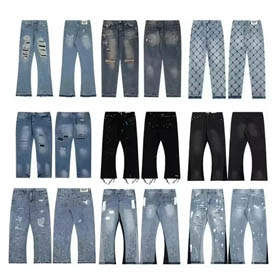
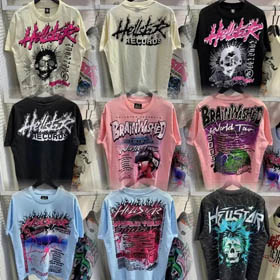
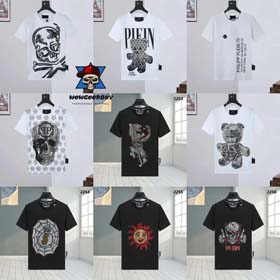
The core function of your Pandabuy spreadsheet is trend intelligence. Create a dedicated section to monitor the popularity and performance of different T-shirt prints. Record data on sales velocity, search volume fluctuations for specific designs, and aggregate customer feedback for each pattern. Implement a keyword filtering system to track the market heat for terms like “vintage prints” or “minimalist lettering.” For instance, if you notice a 40% week-over-week surge in searches for “retro band logos,” you can immediately increase your sourcing or design focus in that area, capitalizing on the trend before your competitors do. This proactive sourcing, powered by your spreadsheet insights, ensures your store always features what customers are actively seeking.
Analyze Fabric Performance for Seasonal Success
An often-overlooked aspect is material analysis, which can be a significant competitive edge. Use your spreadsheet to log customer feedback on different fabrics. You might discover that reviews for “100% cotton” consistently praise breathability and comfort, making it a year-round staple. Conversely, data for “ice silk” or “cooling fabric” T-shirts might show higher satisfaction scores for summer wear due to superior moisture-wicking. By categorizing this data, you can strategically promote cotton-blend or heavyweight options as autumn approaches and pivot to lighter, technical fabrics in spring. This data-backed seasonal strategy enhances customer satisfaction and reduces returns.
Drive Engagement with Personalized Customer Recommendations
Personalization is the cornerstone of modern e-commerce. Your Pandabuy spreadsheet should include a customer preference log. Note down interests expressed by repeat buyers or inquiries—for example, tagging a client as “into anime” or “prefers abstract art.” When new stock arrives featuring relevant prints, you can reach out with a personalized recommendation. This not only increases the likelihood of a sale but also fosters strong customer relationships. Many top resellers manage this communication loop efficiently through platforms like Telegram, where they can share updates and personalized links directly. In fact, creating a dedicated Telegram channel to announce new arrivals based on your spreadsheet's trend forecasts can build a highly engaged community.
Putting It All Together for Maximum Impact
By consolidating trend tracking, fabric analysis, and customer insights into a single, evolving Pandabuy spreadsheet, you create a powerful flywheel for your business. You spot trends early, stock the right products in the right materials, and recommend them to the most interested customers. This systematic approach minimizes guesswork and maximizes efficiency. Remember to share key findings and exclusive drops on social channels and messaging apps like Telegram to drive traffic back to your store. Embrace the spreadsheet not as an administrative task, but as your central command for strategic decision-making, and watch your Pandabuy T-shirt reselling business reach new heights of profitability and customer loyalty.